

Recognizing Depression and Anxiety


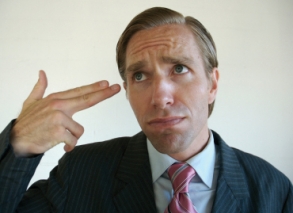
- Treat yourself – Exercising regularly, practicing relaxation and deep breathing, getting enough sleep, and avoiding defeatist thinking will all help stave off both depression and anxiety.
- Battling anxiety – If you suffer from anxiety, schedule "worry time," avoid stimulants, and learn how to manage panic attacks. Seek medical help if the issue is serious.
- Dealing with depression – One can't stress enough the importance of consciously developing a positive attitude. Making an effort to spend time with friends and family and generally getting off the couch and out into the open are also crucial for feeling better.
- Seek medical attention – Remember, only a doctor will be able to tell if you need medication. Speak to a psychiatrist and inform yourself about the psycho-active medication out there. Keep in mind there are serious side-effects.
- Take life in bite-sized chunks – Prioritize the most important things that need to get done. Then identify small steps that'll get 'em done. And remember, talking with friends and family will make you feel better.
It’s normal to feel depressed and anxious after graduation. Those first-job interviews have us buying a new stick of deodorant every week. Then, if you’re successful, you get to transition to the 9-to-5 routine as a reward. It’s the beginning of the rest of your life
.
Pretty grim.
But what’s the difference between stuttering when you’re on the spot and real, clinically diagnosed anxiety? And what about the blues? Is it depression, or are
you just seriously bummed that you can’t get up at noon anymore? The NYU School of Medicine provides a good test for both Depression and Anxiety. For more information, check out the National Institute of Mental Health on Depression and Anxiety. Finally, Cigna has a quick and dirty guide to both the big D and the little A.
Obviously, if it’s a clear case of clinical craziness, you want to see a doctor. However, even if it’s just a case of minor brain wackiness, there are many things you can do to bolster your mental health that don’t have side effects of medication (e.g., erectile dysfunction, hair loss, or worse.
Self-Treatment
For Both Depression and Anxiety
Exercise
Relieves tension and increases the amount of serotonin—the happy neurotransmitter—in the brain. And a super-secret tip: exercise makes you look hotter. Check out what the American Psychological Association has to say about the positive link between exercise and depression.
Practice Relaxation and Deep Breathing
Who knows—it could be a foray into becoming a tantric sex master. For deep-breathing tips, see this Web MD blog or try yoga.
Get Enough Sleep
Good not only for staving off wrinkles, sleep makes you more alert at work and puts you in a better mood. For more information, see what the American Psychological Association has to say about sleep, or check out tips for battling sleeping problems from the American Insomnia Association.
Dispute Negative, Recurring Thoughts
“No one will ever love me once they really get to know me.” “I sound like a moron when I try to talk politics.” “Standard & Poor’s would never hire me.” Everybody’s got issues. Say something more realistic out loud and repeat as often as necessary until it starts sounding like the truth: “I’m a loveable person.” “I know quite a few things about politics.” “Standard & Poor’s would have to be smoking crack not to hire me.” Here’s what About.com says about defeatist thinking. The key is to pinpoint irrational thoughts, then beat the hell out of them.
Kick the Drug Habit
Stop drinking, smoking weed, or whatever you're doing to support the local drug dealer. Drugs can rouse psychological demons. The National Institute on Drug Abuse says there's an established link between smoking pot and both depression and anxiety.
Anxiety Specifically
Schedule “Worry Time”
From 8:30 a.m. to 9 a.m., every day, worry with abandon. That’s right. From the simple stuff like having smelly feet or farting in bed with a lover, to the really serious stuff that you keep deep inside. Write it all down. Then for the rest of the day, don’t let yourself get steeped in worry. Instead, postpone these thoughts until the next worry time because there’s better things to do with your day.
Avoid Stimulants
Lay off the Diet Coke. No mochachinos. No American Spirits. Absolutely no Boone’s (you’re out of college anyway, time to kick the habit). Cigna says alcohol and caffeine can frequently increase anxiety.
Panic Attacks
A panic attack is another term for an anxiety attack. Symptoms are increased heart rate, sweating, vertigo, and a general sense that the world is coming to an end. The best way to cure a panic attack is to figure out what it is you’re afraid of, then find a way to convince yourself that the fear is ungrounded. As soon as you’re not afraid, the attacks will go away. Here’s what Web MD recommends to do at home to help prevent panic attacks. Or check what the American Psychological Association says about panic attacks.
Depression Specifically
Believe the Mood Will Pass
Attempting to maintain a positive attitude is crucial to feeling better.
Get Off the Couch
Hide the remote control. Spend time with other people. It’s important to do things you normally enjoy even if you don’t feel like doing them.
Take a Hike
Going for a long walk a few times a week can have the same effect as anti-depression medication. Duke University did a famous study that says so. Or, read a March 2007 Newsweek article on the topic.
Do I Need Medication?
Only a doctor can answer this question. Talk with your medical doctor first to see if you should be referred to a psychologist (who can’t generally prescribe drugs) or psychiatrist (who can prescribe drugs) if needed. Before you start ignorantly popping pills, however, you should know a little something about them. For help finding doctors of every ilk, refer to our article How to Find a Doctor.
Many anti-depression and anti-anxiety drugs work by increasing the amount of serotonin in the brain. See WebMD for a list of common drugs for Depression. For Anxiety, see this list.
Side-Effects of Medication can include sexual problems (delayed orgasm, for both men and women), insomnia, sleepiness, increased anxiety, nausea or vomiting, diarrhea, headaches, dizziness, and weight gain/loss.
One very serious caveat related to psycho-active medication: in rare cases, anti-depressive drugs, and especially a change in dosage, can worsen a person’s condition and lead to suicide. Here’s the FDA’s warning on this. Notify a doctor at once if the drug is worsening the depression or anxiety.


All States
Alabama
Alaska
Arizona
Arkansas
California
Colorado
Connecticut
DC
Delaware
Florida
Georgia
Hawaii
Idaho
Illinois
Indiana
Iowa
Kansas
Kentucky
Louisiana
Maine
Maryland
Massachusetts
Michigan
Minnesota
Mississippi
Missouri
Montana
Nebraska
Nevada
New Hampshire
New Jersey
New Mexico
New York
North Carolina
North Dakota
Ohio
Oklahoma
Oregon
Pennsylvania
Rhode Island
South Carolina
South Dakota
Tennessee
Texas
Utah
Vermont
Virginia
Washington
West Virginia
Wisconsin
Wyoming
Comments
(2)I just graduated a few weeks ago and I don't know what I'm doing next fall. I'm living in my parents' house and I really really dont want to end up becoming the older kid from the anti-drug commercial who lives in the basement, smokes weed and doesn't do anything. But it's tough to find things to occupy my time and even tougher to find something I want to devote my life to next year. By the way, that defeatist thinking article helps to put things in perspective. Nice link choice.
As a psychotherapist who works on a college campus and in private practice, I can tell you that graduating from college can cause significant stress. The idea of not knowing what you want to do combined with the difficult economy can often lead to anxiety and depression. The above suggestions are good tips. You can also always seek counseling from a local mental health therapist to help you through this life transition.
POST YOUR COMMENT